Scooter-sharing system
A scooter-sharing system is a service in which scooters are made available to use for short-term rentals. The term describes the sharing of mostly electric motor scooters (also referred to as electric mopeds) as well as electric kick scooters. The sharing of scooters is similar to carsharing or bicycle-sharing systems; with some scooter-sharing companies offering more than one type of vehicle via their service.
Scooters are generally “dockless”, meaning that they do not have a fixed home location, and are dropped off and picked up from arbitrary locations in the service area. This makes them a convenient mobility option for first-/last-mile mobility in urban areas.
*Reference : https://en.wikipedia.org/wiki/Scooter-sharing_system
History
The sharing of scooters has been around since 2012 when Scoot Networks launched their service in San Francisco.[1] Scooter sharing has seen strong growth since 2017 with a majority of operations being concentrated in Europe.[2] As of August 2018, the biggest fleets of shared electric scooters are found in Madrid and Paris.[3] Growth has also picked up in the US, as Revel launched the first scooter sharing service in New York City in July 2018.[4][5]
The biggest growth driver for electric scooters is the blistering growth of on-demand economy, highly congested urban cities and its low physical footprint with zero carbon footprint. They also have an advantage over on-demand taxi and bike sharing, owing to low cost and shorter trip duration.[6]
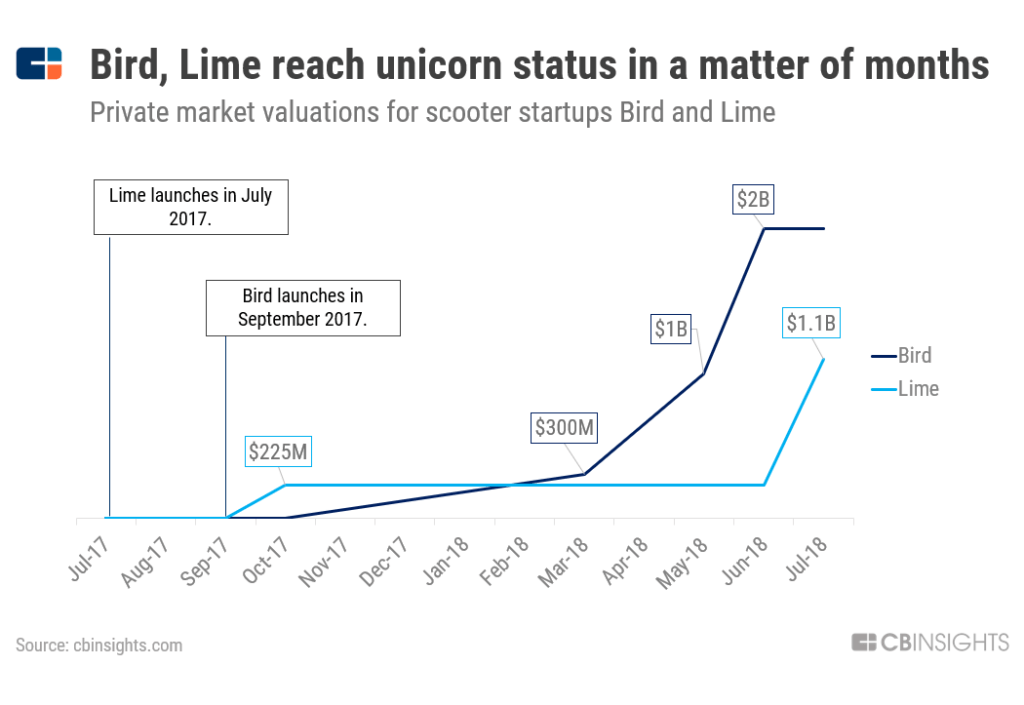
The first dockless electric kick scooter sharing services started to roll out in San Francisco, Washington, D.C., and Los Angeles at the end of 2017 and have subsequently expanded to more cities in the U.S., as well as Europe. Rather than seeking regulatory approval, companies have quietly deployed scooters on sidewalks independently – essentially taking the approach of acting first, asking for forgiveness later. The market has grown aggressively, with some newcomers reaching a valuation of $1 billion in less than a year of operation,[7] but causing significant disruption and backlash from local governments.
*Reference
- “”Zipcar For Scooters” Startup Scoot Networks Launches To The Public In San Francisco”. TechCrunch. Retrieved 2018-08-09.
- ^ “Global Scootersharing Market Report 2017 [Publication] | innoz”. http://www.innoz.de. Retrieved 2018-08-09.
- ^ “Innovationslandkarte”. scooter.innovationslandkarte.de. Retrieved 2018-08-09.
- ^ “Press Release: INVERS Helps Power New York’s First Scooter Sharing Service”. INVERS. July 30, 2018. Retrieved 2018-08-09.
- ^ “New York’s first electric moped rental program is scooting riders around in style”. Electrek. July 31, 2018. Retrieved 2018-08-09.
- ^ “E Scooter Sharing Market 2018-2023”. Mobility Foresights. Retrieved 2019-03-18.
- ^ Zaleski, Olivia (May 29, 2018). “Bird Races to Become the First Scooter Unicorn”. Bloomberg.com. Retrieved 2018-06-03.
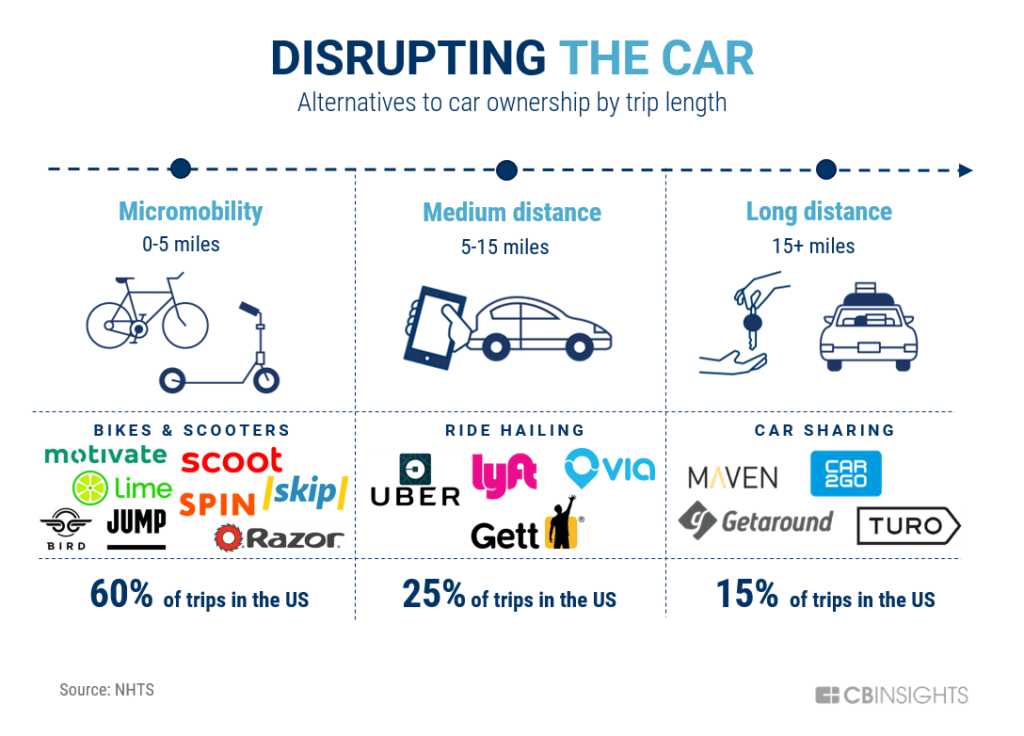
Startups addressing short-distance transport (i.e. less than five miles) have taken the mobility space by storm in recent months, most notably with the rise of bike and scooter startups.
Part of the hype surrounding the micromobility space stems from the fact that roughly 60% of trips in the US are five miles or less.
Additionally, traditional bikes, as well as e-bikes and e-scooters, address a number of inefficiencies in the transportation ecosystem.
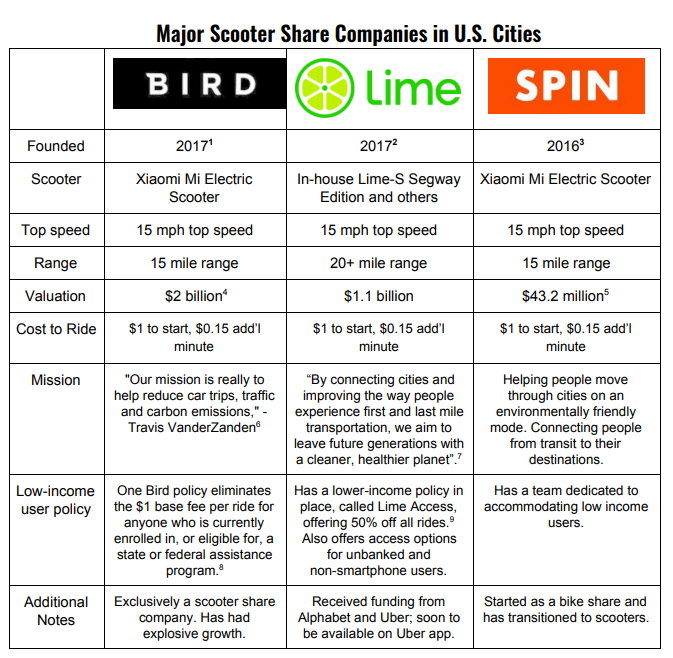
Bird, Lime, Scooter-Sharing Startup Companies
The two companies attained unicorn status within less than a year of operation and are backed by a number of smart money VCs and corporates.
- Investors in Bird’s most recent $300M Series C round in May included Accel, Index Ventures, and Sequoia Capital.
- Lime’s investors on its most recent $335M Series C round in July included Andreessen Horowitz as well as corporates such as Alphabet and Uber.
It’s also worth noting that in addition to the Lime investment, Uber has made a number of investments and acquisitions to break into alternative modes of transport, as we’ll outline in more detail below. (Lyft has also recently made investments and acquisitions in alternative transportation.)
*Reference : https://www.cbinsights.com/research/disrupting-cars-car-sharing-scooters-ebikes/
*Reference : https://wagner.nyu.edu/files/faculty/publications/Rudin_ScooterShare_Aug2018_0.pdf
Transportation as a service
Both Uber and Lyft are also looking to expand into new mobility services such as bike-sharing, scooter-sharing, and public transportation – all with the ultimate goal of reducing the need to own a car. The firms are first tackling urban markets, since the economics are much more favorable for shared mobility networks.
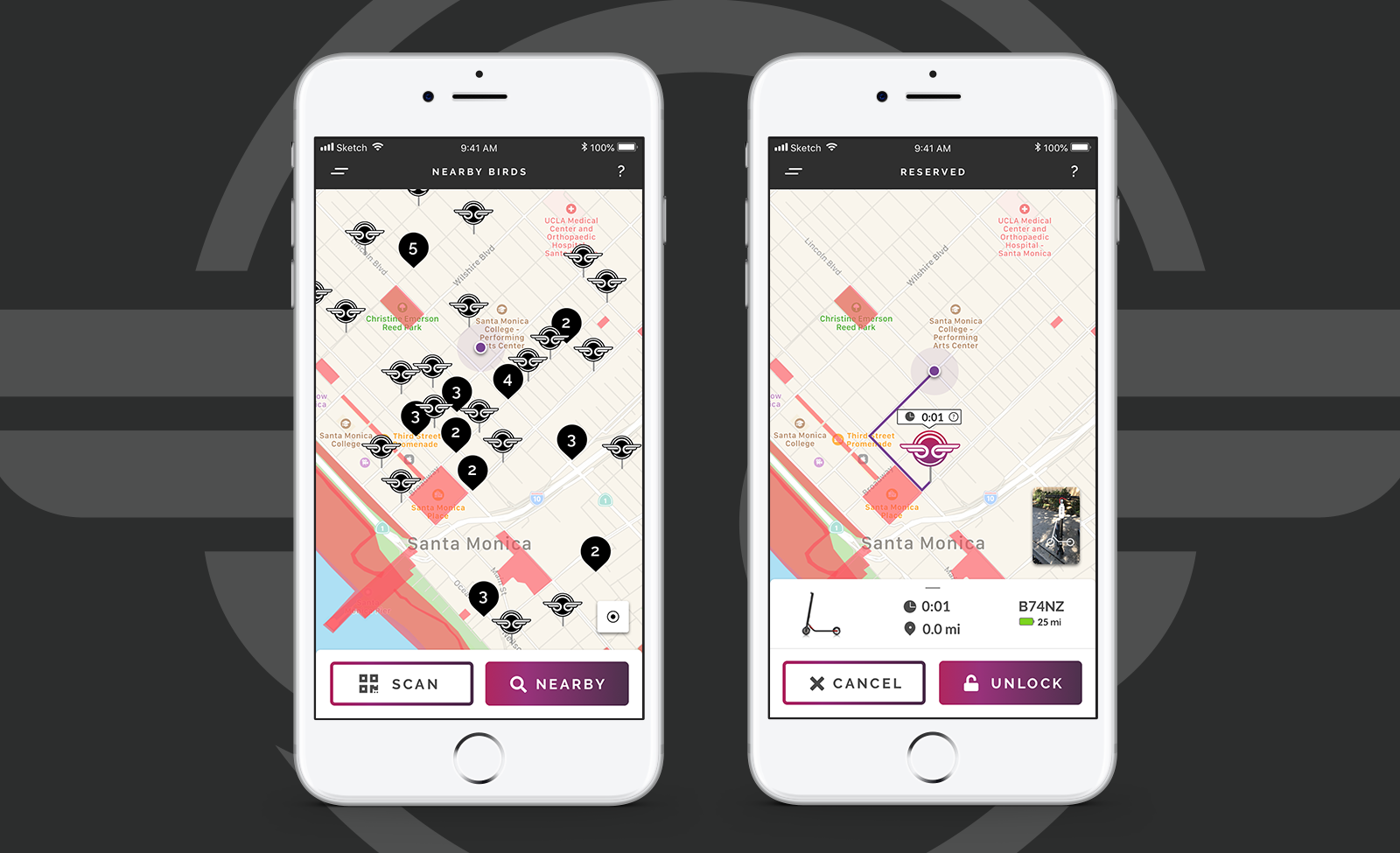
*Reference : https://uxdesign.cc/bird-scooter-redesign-a-ux-case-study-e6b32e39dd0b
The need for analysis of this service.
As a result, the electric kick scooter sharing system is becoming a service with the trend of smart cities. At present, analytical research on the system has not been conducted in Korea. At the same time, it is necessary to analyze the service in Korea.
 Rose, Designer and Engineer